

A group of 20 top-ranked ATP and WTA players, including Aryna Sabalenka, Novak Djokovic, and Jannik Sinner, released a joint statement in early May expressing dissatisfaction with the prize money at the upcoming French Open.
In April, the organizers of Roland Garros announced a 9.5% increase in the prize fund to €61.7 million. Winners in men’s and women’s singles would receive €2.8 million each, while finalists would get €1.4 million. However, leading players were not satisfied.
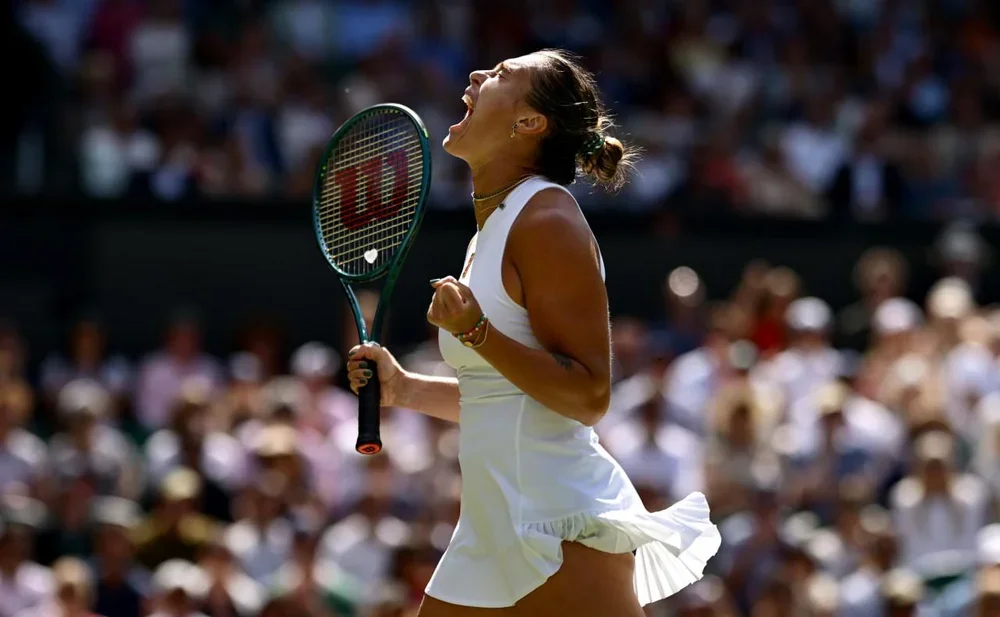
**What Are the Players Unhappy About?**
The main grievance is the disparity between tournament revenues and player compensation. While prize money at the Australian Open, Roland Garros, Wimbledon, and the US Open looks impressive, the players argue that the share of total revenue allocated to them remains too low. Revenue from media rights, ticket sales, and sponsorship often grows faster than prize purses.
For instance, in 2024, Roland Garros allocated 15.5% of its revenue to player payouts, projected to drop to 14.9% by 2026. Among Grand Slams, the US Open leads with up to 18% of revenue going to players, followed by the Australian Open (up to 17%), and Wimbledon (up to 14%).
Players demand at least a 22% share, similar to ATP and WTA 1000 events. For comparison, major U.S. professional leagues give players much higher revenue shares: NBA 51%, NHL 50%, and NFL 48.5%.
“In other major sports, long-term partnerships with athletes are being built, but tennis majors remain resistant to change… We are united in our desire for significant progress—both in fair financial distribution and governance,” the statement said.
**Who Is Ready to Boycott Grand Slams?**
World No. 1 Aryna Sabalenka said players might organize a boycott if Grand Slam organizers refuse to increase the prize share. “Without us, there would be no tournament, no show, so we deserve a larger percentage of revenue,” she told a press conference in Rome. “At some point, we will turn to a boycott. I think it’s the only way to fight for our rights.”
Kazakhstan’s Elena Rybakina, ranked No. 2, said she would join a boycott if organizers don’t raise prize money. “If the majority decides to boycott, I will join without problems,” she stated.
Jasmine Paolini, ranked No. 8, also said she would consider a boycott. “We do this to improve player conditions, especially pensions and maternity leave. Grand Slam organizers don’t address these issues, while WTA does. They increase prize money a bit, but not proportionally to how much more they earn.”
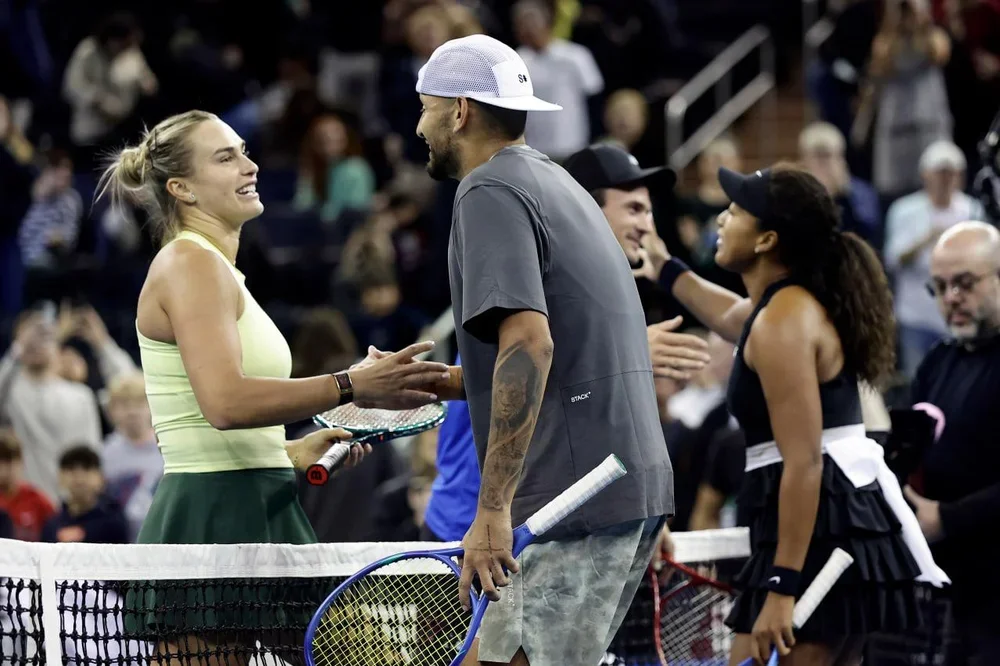
Defending French Open champion Coco Gauff also didn’t rule out a boycott if players act together. “It’s about the future of our sport and players ranked 50th to 200th who live tournament to tournament. In other sports, this isn’t even debated,” she said. Gauff emphasized, “It’s not about getting more and more. We top players understand we have more opportunities, but we aren’t doing this just for ourselves.”
Six-time Grand Slam champion Iga Swiatek explained that “increasing prize money alone isn’t exactly what players want, because the percentage of total revenue drops.” She noted that communication with governing bodies is key, and a boycott is a “last resort.”
Russia’s Daniil Medvedev supported a boycott. “Grand Slams earn huge money, which gives us big checks, but it’s a very small percentage compared to other sports and other tournaments. I support the players, not the tournaments,” he told BB Tennis.
World No. 1 Jannik Sinner expressed disappointment not only over prize money but also a lack of respect. “In other sports, if top athletes send an important letter, I believe they get a response and an invitation to a meeting within 48 hours. We give much more than we receive, and this applies to all players, not just the best.”
Russian player Mirra Andreeva said she lacks experience to comment on prize money, focusing instead on gaining experience and winning matches.
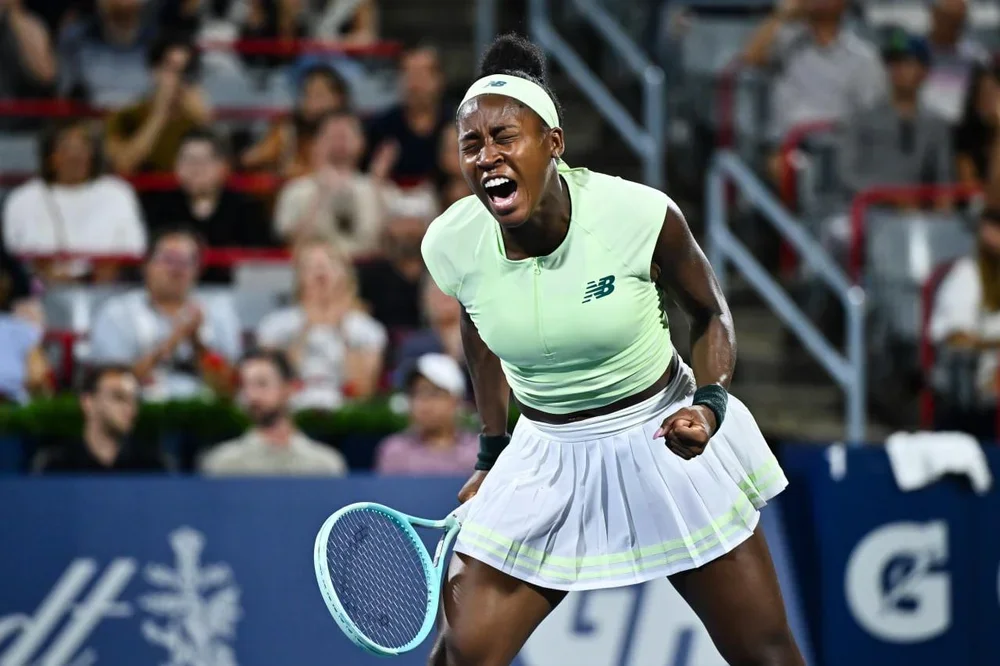
Roland Garros organizers have not yet responded to the players’ complaints.
Historically, Grand Slam boycotts have occurred. In 1973, about 80 players boycotted Wimbledon in solidarity with Niki Pilic, who was suspended by the Yugoslav Tennis Federation for refusing to play Davis Cup. The International Tennis Federation extended the suspension to all tournaments under its umbrella, leading the ATP to support the boycott, backed by 12 of 16 seeded players, including defending champion Stan Smith.
